Chai Legend S Quest – India’s Cultural Phenomenon in Indie Gaming
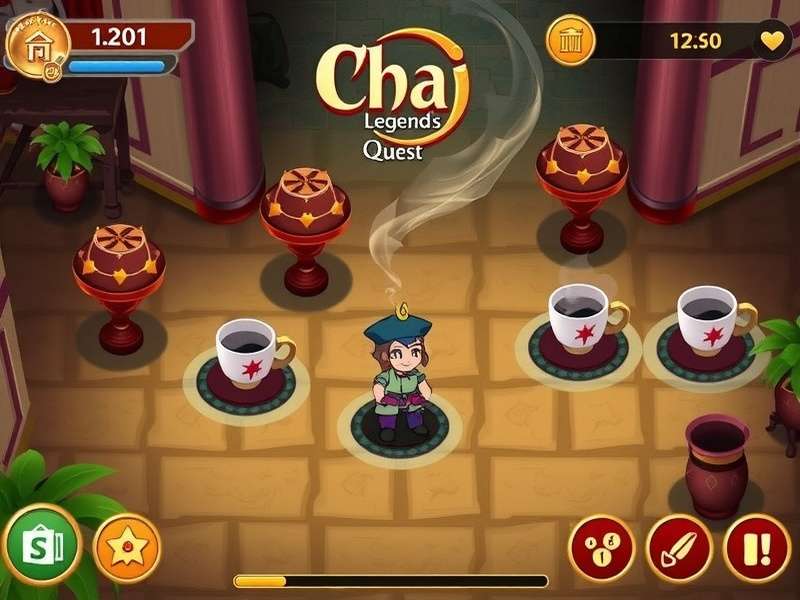
Figure 1: A screenshot from Chai Legend S Quest showcasing the protagonist, Arjun, serving freshly brewed kulhad chai to customers in a bustling rural bazaar in Uttar Pradesh. The vibrant visuals capture the essence of desi chai culture with authentic regional elements 🥛🍃
1. Introduction
Chai Legend S Quest is not just another indie game – it’s a heartfelt tribute to India’s timeless chai culture, wrapped in the engaging framework of a casual adventure-simulation experience. Developed and published by Daman Games Studios, a leading name in the desi gaming scene, this title launched on 26th January 2024 (India’s Republic Day, a deliberate nod to national pride) and quickly became a sensation across the country and beyond. Blending authentic cultural storytelling with accessible gameplay, Chai Legend S Quest has resonated with gamers of all ages – from school kids enjoying their summer break to office professionals seeking a nostalgic escape from their busy schedules.
At its core, Chai Legend S Quest follows the journey of Arjun, a 24-year-old engineering graduate from Lucknow who abandons his corporate job in Bangalore to revive his late grandfather’s iconic chai stall in a small village in Uttarakhand. What begins as a simple mission to honor his grandfather’s legacy soon evolves into an epic cross-country adventure that takes Arjun from the misty hills of Shimla to the sun-drenched beaches of Goa, from the chaotic lanes of Old Delhi to the serene backwaters of Kerala. Along the way, he must master the art of brewing region-specific chai varieties, navigate the nuances of Indian social dynamics, solve culturally rooted puzzles, and build a community of chai lovers who help him fulfill his grandfather’s lifelong dream of creating a “chai legacy” that unites people across the nation.
Unlike many mainstream games that rely on high-octane action or complex lore, Chai Legend S Quest thrives on its simplicity, authenticity, and emotional depth. It’s a game that understands the pulse of Indian audiences – our collective obsession with chai, our inherent love for community and tradition, and our appreciation for stories that feel “close to home.” As you play, you’re not just brewing chai; you’re engaging with characters who feel like your next-door neighbors, solving problems that mirror real-life desi challenges (like sourcing fresh ingredients during a monsoon or resolving a dispute between local vendors), and soaking in the vibrant colors, sounds, and flavors that make India unique.
What truly sets Chai Legend S Quest apart from other indie games is its unapologetic celebration of Indian culture in all its diversity. From the moment you launch the game, you’re greeted with a foot-tapping bhangra-meets-folk soundtrack, visuals that showcase India’s varied landscapes with meticulous attention to detail, and dialogues peppered with Hindi, Tamil, Punjabi, and Bengali phrases (complete with context-rich subtitles) that feel natural and unforced. Whether it’s a Punjabi farmer asking for a “garam garam adrak wali chai with extra sugar” or a South Indian grandmother requesting “karak chai with a hint of elaichi,” the game’s commitment to cultural authenticity is nothing short of jhakaas (fantastic).
Since its launch, Chai Legend S Quest has crossed 8 million downloads worldwide, with over 75% of players hailing from India. It has received widespread critical acclaim, winning prestigious awards like “Best Indie Game” at the 2024 Indian Gaming Awards, “Cultural Impact Award” at the Global Indie Game Festival 2024, and “Best Mobile Game” at the Digital India Awards 2024. For Daman Games, the success of Chai Legend S Quest is a testament to the untapped potential of desi-themed games – proving that stories rooted in Indian culture can resonate with global audiences while staying true to their origins.
The game’s accessibility has also contributed to its popularity. Available on PC (Windows and macOS), Android, iOS, Steam, Google Play, Apple App Store, and Amazon Appstore, it caters to a wide range of players, from those who prefer gaming on high-end PCs to those who play primarily on their mobile phones (a dominant segment of India’s gaming market). With a file size of just 800MB for mobile and 2.5GB for PC, it’s lightweight enough to run smoothly on low-end devices, ensuring that even players in rural areas with limited internet connectivity can enjoy it.
Another key factor in Chai Legend S Quest’s success is its family-friendly content. Rated “E for Everyone” by global content rating boards, the game is suitable for players of all ages, making it a popular choice for family gaming sessions. Parents appreciate the game’s positive messages about hard work, community, and cultural heritage, while kids enjoy the colorful visuals, engaging gameplay, and opportunity to learn about different regions of India.
2. Gameplay
Chai Legend S Quest’s gameplay is designed to be accessible yet deeply engaging, striking the perfect balance between casual fun and meaningful progression. The core loop revolves around three interconnected mechanics: chai brewing, customer management & community building, and adventure & puzzle-solving. These mechanics are seamlessly integrated to create a cohesive experience where each element complements the others, ensuring that the game never feels repetitive or monotonous.
One of the game’s greatest strengths is its ability to cater to different playstyles. Casual gamers can focus on brewing chai and interacting with customers, while more hardcore players can dive into the game’s adventure elements and challenge themselves with complex puzzles. The difficulty curve is gentle, with the game gradually introducing new mechanics and challenges as you progress, making it easy for new players to get hooked while keeping seasoned gamers engaged.
2.1 Chai Brewing: The Heart of the Game
Brewing the perfect cup of chai is the foundation of Chai Legend S Quest, and the game treats this process with the respect and attention to detail it deserves – without making it overly complicated. Each regional chai variety has its own unique combination of ingredients, brewing time, and technique, reflecting the diverse chai cultures across India. For example, a Punjabi adrak wali chai requires extra ginger, a longer boil, and a generous amount of sugar, while a South Indian karak chai is brewed with less milk, more tea leaves, and a blend of cardamom and cloves. A Bengali mishti chai, on the other hand, uses jaggery instead of sugar and a dash of coconut milk for a sweet, creamy flavor.
At the start of the game, you’ll have access to basic ingredients: loose tea leaves (Assam and Darjeeling varieties), full-fat milk, sugar, and ginger. As you progress through the game and unlock new regions, you’ll gain access to a wide range of ingredients, including cardamom, cinnamon, mint, saffron, fennel seeds, jaggery, coconut milk, rose water, and regional specialties like “kokum” (from Goa), “tamarind” (from Tamil Nadu), and “ajwain” (from Rajasthan). You’ll also learn new brewing techniques, such as using a traditional “kadai” (wok) for North Indian chai, a “ brass vessel” for South Indian karak chai, or a “clay pot” for rural Uttarakhand chai.
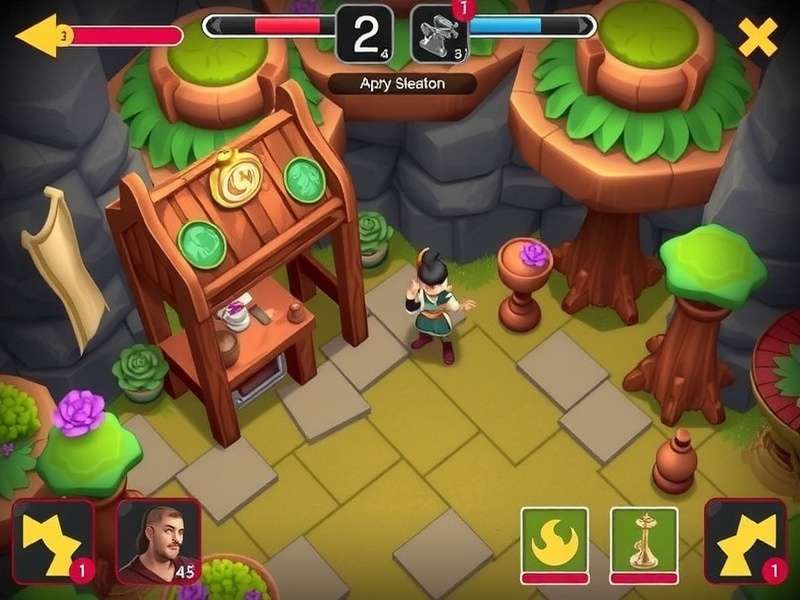
Figure 2: The intuitive chai brewing interface in Chai Legend S Quest, showing the ingredient selection panel, heat control slider, and brewing timer. Players can drag and drop ingredients, adjust the heat, and monitor the brewing process in real-time ⏳
The brewing interface is designed to be user-friendly, even for players who have never brewed chai before. You simply drag and drop ingredients into the pot, adjust the heat using a slider (from low to high), and wait for the timer to hit the “sweet spot” indicated by a green bar. If you brew the chai for too long, it becomes bitter (indicated by a red bar), and customers will be disappointed. If you don’t brew it enough, it’s weak (indicated by a yellow bar), and you’ll get fewer tips. Getting the perfect brew (green bar) earns you extra points, happy customers, and generous tips that you can use to upgrade your stall, buy new ingredients, or unlock new regions.
What makes the chai brewing mechanic truly special is its attention to cultural detail. For instance, serving chai in a traditional kulhad (clay cup) instead of a regular mug increases customer satisfaction by 20%, as it’s considered more authentic and enhances the flavor of the chai. Similarly, adding a “tadka” (spice mix) at the right moment (just before serving) boosts the chai’s quality, and serving it hot (not lukewarm) is non-negotiable – just like in real life! The game also includes a “Chai Master” mode, where you can practice brewing different regional chai varieties to unlock achievements like “Punjab’s Chai Champion,” “South India’s Karak King,” and “Bengal’s Mishti Chai Maestro.”
Another unique feature of the chai brewing system is the “secret recipes” you can unlock by completing side quests or helping NPCs. For example, a retired chaiwallah in Varanasi might teach you his famous “banarasi masala chai” recipe, which includes a blend of seven spices, while a grandmother in Kerala might share her “kerala special elaichi chai” recipe that uses fresh cardamom from her garden. These secret recipes are highly sought after, as they attract VIP customers (like celebrities or politicians) who give you rare items or large sums of money.
The game also incorporates seasonal variations in chai brewing. During winter, customers will ask for “garam garam chai” with extra ginger or cinnamon to keep warm, while during summer, they’ll prefer “cooling chai” varieties like mint chai or lemon chai. During festivals like Diwali, customers will request “special festival chai” brewed with saffron, dry fruits, and jaggery, while during Holi, they’ll ask for “gulal-infused chai” (a colorful twist on traditional chai that’s popular in North India).
2.2 Customer Management & Community Building
Running a successful chai stall in Chai Legend S Quest is not just about brewing good chai – it’s about connecting with your customers and building a strong community. Each customer in the game has a unique personality, preferences, and backstory, and your interactions with them shape the game’s narrative and your progress. From a harried office worker in Delhi who needs a quick cup of strong chai to power through a deadline to a group of college students in Bangalore who want to chat while sipping masala chai, every customer brings a new challenge and opportunity.
When a customer approaches your stall, they’ll place an order (often in their regional language, adding to the authenticity) and you’ll have a limited amount of time to brew the perfect chai. If you meet their expectations, they’ll become regular customers and might even give you tips, referrals, or special items. If you mess up their order (e.g., serving sugarless chai to someone who likes it sweet, or brewing a weak chai for a Punjabi farmer who prefers it strong), they’ll leave disappointed, and your stall’s reputation will take a hit. Repeatedly disappointing customers can lead to a drop in foot traffic, making it harder to earn money and progress.
As you build relationships with customers, they’ll share personal stories and ask for favors. For example, a local farmer might ask you to deliver chai to his fields in exchange for fresh milk (a high-quality ingredient), or a school teacher might request that you donate chai for a community event in exchange for “goodwill points.” A struggling artist might ask you to let him display his work at your stall in exchange for a painting that you can hang up to attract more customers. Completing these side quests not only earns you rewards but also deepens your connection with the community.

Figure 3: Arjun interacting with a group of college students in Bangalore who are regular customers at his chai stall. The students are sharing stories about their college life while sipping masala chai, showcasing the game’s focus on community and social interaction 🎓
The customer management system in Chai Legend S Quest also reflects India’s diverse social fabric. You’ll encounter people from different religions, castes, and backgrounds, and the game subtly promotes empathy and unity by showing how chai can bring people together. For example, during Diwali, a Hindu family might invite you to their puja (prayer ceremony) and share sweets with you, while during Eid, a Muslim neighbor might bring you seviyan (vermicelli) to add to your chai. During Christmas, a Christian priest might ask you to brew chai for his congregation, and during Pongal, a Tamil family might share their traditional Pongal dish with you in exchange for chai.
Another key aspect of customer management is “stall customization.” You can decorate your stall with regional items to attract specific types of customers. For example, hanging rangoli and lanterns during Diwali will attract festival-goers, while displaying traditional musical instruments like the harmonium or tabla will attract music lovers. You can also hire assistants to help you run the stall, such as a young boy who helps you collect ingredients, an elderly chaiwallah who teaches you new recipes, or a college student who handles social media promotions for your stall. Each assistant has their own unique skills, and leveling them up makes them more efficient.
The game also includes a “reputation system” that tracks your standing in the community. Your reputation increases when you brew perfect chai, help customers, and participate in community events, and decreases when you serve bad chai, ignore customer requests, or fail to meet deadlines. A high reputation unlocks benefits like discounts from suppliers, exclusive events, and VIP customers, while a low reputation makes it harder to attract customers and progress in the game.
One of the most heartwarming aspects of the customer management system is the “chai stories” that customers share with you. Each regular customer has a unique story related to chai, and as you build your relationship with them, they’ll share more details. For example, an elderly woman might tell you about how her late husband used to brew chai for her every morning, while a young couple might share how they met at a chai stall. These stories add emotional depth to the game and make the customers feel like real people, not just NPCs.
2.3 Adventure & Puzzle-Solving
While chai brewing and customer management are the core of Chai Legend S Quest, the game also includes engaging adventure and puzzle elements that take you beyond the confines of your stall. As you progress through the game, you’ll unlock new locations across India, each with its own unique challenges, secrets, and cultural experiences. From navigating narrow mountain roads in Himachal Pradesh to collecting rare spices in the backwaters of Kerala, the adventure elements add a sense of exploration and excitement to the game.
The puzzles in Chai Legend S Quest are designed to be fun, challenging, and culturally relevant – no frustratingly difficult puzzles that leave you stuck for hours. Each puzzle is rooted in Indian culture, traditions, or geography, making them not just entertaining but also educational. For example, one puzzle requires you to arrange clay pots (kulhads) in a pattern based on a traditional rangoli design, while another asks you to match regional chai recipes to the correct states. There are also environmental puzzles, like using a mirror to reflect sunlight and melt ice to access a hidden tea garden in the Himalayas, or navigating a maze of alleyways in Old Delhi to find a rare spice merchant.
The adventure elements of the game are equally engaging. You can travel between locations using different modes of transport, each with its own quirks and challenges. For example, you can take a cycle rickshaw in Kolkata (slow but allows you to interact with pedestrians), a camel cart in Rajasthan (fast but might get stuck in sand dunes), a houseboat in Kerala (serene but requires navigation skills), or a train (fast and efficient but might have delays due to “desi jugaad” situations like a cow on the tracks).
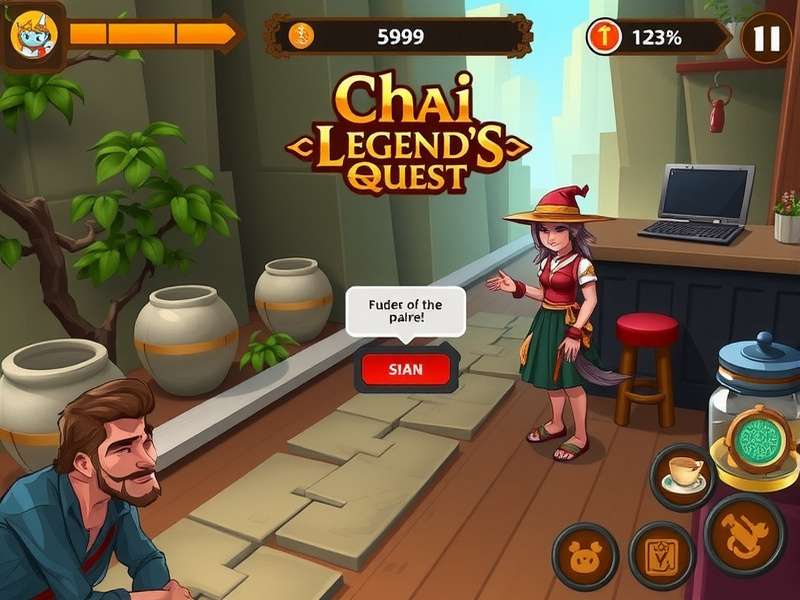
Figure 4: Arjun exploring a remote tea garden in the Himalayas, searching for rare “Kangra tea leaves” – a key ingredient for brewing the famous Himachali chai. The scene captures the breathtaking beauty of the Himalayas while showcasing the game’s adventure elements 🏔️🍃
Each location you visit has its own unique adventure quests. In Shimla, you’ll have to climb a mountain to collect rare tea leaves from a hidden garden, avoiding snowstorms and wild animals along the way. In Goa, you’ll have to navigate the backwaters to find a secret spice market run by local fishermen. In Varanasi, you’ll have to row a boat along the Ganges to collect holy water, which is used to brew a special “gangaajal chai” that’s popular among pilgrims. In Bangalore, you’ll have to navigate the city’s traffic to deliver chai to a tech startup’s office before a big meeting.
One of the most memorable adventure sequences in Chai Legend S Quest is the “Chai Yatra” (chai journey) – a cross-country quest where you have to deliver a special batch of chai to the “National Chai Festival” in Mumbai. Along the way, you’ll face a variety of challenges, including bad weather (like monsoon rains in Maharashtra), broken-down vehicles (requiring you to use desi jugaad to fix them), and even a group of “chai lovers” who demand a cup of your best chai as toll. You’ll also have the opportunity to visit iconic Indian landmarks, like the Taj Mahal in Agra, the Gateway of India in Mumbai, and the backwaters of Kerala, making the Chai Yatra a virtual tour of India.
The puzzles and adventure elements are not just standalone features – they’re integrated with the game’s core mechanics. For example, solving a puzzle might unlock a new ingredient for brewing chai, while completing an adventure quest might earn you a reputation boost that attracts more customers to your stall. This integration ensures that the game feels cohesive and that every action you take has a meaningful impact on your progress.
Another unique aspect of the adventure and puzzle elements is the “cultural learning” component. Each puzzle and quest teaches you something about Indian culture, traditions, or geography. For example, a puzzle that requires you to match regional dances to their respective states teaches you about India’s diverse dance forms, while an adventure quest to collect spices in Kerala teaches you about the state’s agricultural practices. This educational component makes Chai Legend S Quest not just a game but also a fun way to learn about India’s rich culture.
2.4 Progression System: Building Your Chai Legacy
Chai Legend S Quest features a deep and satisfying progression system that rewards you for your hard work and dedication. The system is designed to be flexible, allowing you to focus on the aspects of the game you enjoy most – whether it’s brewing perfect chai, building relationships with customers, or exploring new regions. As you earn money, goodwill points, and experience, you’ll unlock new content, upgrade your stall, and grow your chai business into a legacy.
The progression system is divided into four main categories: Stall Upgrades, Skill Development, Region Unlocks, and Achievements. Each category is interconnected, and progress in one area often unlocks opportunities in another.
2.4.1 Stall Upgrades
Your chai stall is your base of operations, and upgrading it is essential for success. Stall upgrades are divided into three subcategories: Equipment Upgrades, Decorations, and Staff Hiring.
Equipment upgrades include things like a better stove (to brew chai faster), a larger counter (to serve more customers at once), a refrigerated storage unit (to keep ingredients fresh for longer), and a traditional kadai (to brew higher-quality chai). Each equipment upgrade costs money, but the returns are worth it – faster brewing times mean you can serve more customers, while higher-quality equipment means you’re more likely to brew perfect chai.
Decorations are not just for show – they attract specific types of customers and increase customer satisfaction. Decorations include regional items like rangoli, lanterns, traditional paintings, musical instruments, and festival-themed decor. For example, hanging a Punjabi phulkari tapestry will attract Punjabi customers, while displaying a South Indian kolam design will attract Tamil customers. Decorations can be purchased from local markets in each region, and some rare decorations can only be unlocked by completing side quests.
Staff hiring allows you to hire assistants to help you run the stall. There are three types of staff: Chai Assistants (who help you brew chai faster), Customer Service Assistants (who interact with customers and resolve complaints), and Supply Assistants (who collect ingredients and negotiate better prices with suppliers). Each staff member has their own unique skills and personality, and you can level them up by giving them training (which costs money and goodwill points). Leveling up staff members makes them more efficient and unlocks new skills – for example, a Chai Assistant might learn to brew a specific regional chai variety, while a Customer Service Assistant might learn to resolve complaints faster.
2.4.2 Skill Development
As you play Chai Legend S Quest, you’ll earn skill points that you can allocate to three skill trees: Brewing Skill, Customer Skill, and Adventure Skill. Each skill tree has multiple levels, and unlocking higher levels gives you valuable bonuses.
The Brewing Skill tree focuses on improving your chai-making abilities. Bonuses include faster brewing times, higher chances of brewing perfect chai, unlocking new brewing techniques, and reducing the cost of ingredients. For example, the “Master Brewer” skill allows you to brew any chai variety perfectly 20% of the time, while the “Ingredient Saver” skill reduces the amount of ingredients needed to brew chai by 15%.
The Customer Skill tree focuses on improving your interactions with customers. Bonuses include faster customer service, higher tips, increased customer loyalty, and the ability to resolve complaints more easily. For example, the “Charismatic” skill increases the chance of customers becoming regulars by 25%, while the “Negotiator” skill increases the tips you receive by 10%.
The Adventure Skill tree focuses on improving your exploration and puzzle-solving abilities. Bonuses include faster travel between locations, better navigation skills, increased chances of finding rare items, and reduced puzzle difficulty. For example, the “Explorer” skill allows you to unlock new locations 10% faster, while the “Puzzle Solver” skill gives you hints for difficult puzzles.
2.4.3 Region Unlocks
One of the most exciting aspects of the progression system is unlocking new regions to explore. The game features 10 distinct regions, each with its own unique chai varieties, customers, puzzles, and adventures. To unlock a new region, you need to meet certain criteria – such as reaching a specific reputation level, earning a certain amount of money, or completing a key quest.
The regions are unlocked in the following order: Uttarakhand (starting region), Uttar Pradesh, Himachal Pradesh, Karnataka, Kerala, Goa, Maharashtra, West Bengal, Tamil Nadu, and Delhi. Each region has its own unique visual style, soundtrack, and cultural elements, making the game feel fresh and exciting as you progress.
2.4.4 Achievements
Achievements are a fun way to track your progress and earn rewards. Chai Legend S Quest features over 70 achievements, ranging from simple tasks like “Brew 100 Cups of Chai” to more challenging feats like “Complete the Chai Yatra Without Any Mistakes” or “Unlock All Regional Chai Varieties.” Unlocking achievements earns you rewards like rare ingredients, special decorations, skill points, or even exclusive chai recipes that can’t be obtained any other way.
Some of the most prestigious achievements include:
- Chai Legend: Brew all 50 regional chai varieties perfectly
- Community Hero: Help 100 customers with their side quests
- Adventure King: Solve all puzzles and complete all adventure quests
- Millionaire Chaiwallah: Earn 1 million rupees in the game
- Cultural Ambassador: Unlock all regions and learn all cultural facts
The endgame of Chai Legend S Quest sees you becoming a national chai icon, with multiple stalls across India and a loyal fan base. You can even expand internationally, opening chai stalls in cities like London, New York, and Dubai, and introducing foreign customers to the magic of desi chai. The game’s ending is customizable based on your choices throughout the game – for example, if you focused on community service, you’ll end up running a charity that provides free chai to the poor and underprivileged, while if you focused on business, you’ll build a chai empire with franchises across the globe. If you focused on adventure, you’ll become a travel writer who documents his chai journeys across India.
2.5 Multiplayer Mode: Chai Party
Chai Legend S Quest’s multiplayer mode, called “Chai Party,” was added in the 1.2 update (released in April 2024) in response to popular demand from players. The mode allows up to 4 players to connect online and play together, adding a social element to the game that’s perfect for friends and family.
Chai Party features three main game modes: Co-op Brewing, Chai Competition, and Community Challenge.
2.5.1 Co-op Brewing
In Co-op Brewing, players work together to run a virtual chai stall and serve as many customers as possible within a time limit. Each player has a specific role: one player brews the chai, another takes orders, another collects ingredients, and another interacts with customers to resolve complaints. The goal is to serve as many customers as possible and earn the highest score. Players can communicate with each other using a chat system that includes pre-written phrases in multiple Indian languages, making it easy for players who don’t speak the same language to collaborate.
Co-op Brewing is a great way to experience the game with friends and family, as it requires teamwork and coordination. The mode also includes special challenges, like serving a rush of VIP customers or brewing a large batch of a rare chai variety, which add excitement and variety.
2.5.2 Chai Competition
In Chai Competition, players go head-to-head to see who can brew the best chai. Each round, players are given a specific chai variety to brew, and they’re judged on three criteria: taste (how closely they follow the recipe), speed (how fast they brew the chai), and presentation (whether they use the correct cup and decorations). The judge is a virtual “chai expert” who gives feedback on each player’s chai, and the player with the highest score wins the round. The first player to win three rounds is declared the “Chai Champion.”
Chai Competition is a fun way to test your brewing skills against other players. The mode includes a leaderboard that tracks the top players from around the world, adding a competitive element that keeps players coming back for more.
2.5.3 Community Challenge
In Community Challenge, players work together to complete a global challenge. For example, the “Brew 1 Million Cups of Chai” challenge asks players from around the world to collectively brew 1 million cups of chai within a week. If the community meets the goal, all players receive a special reward, like a rare decoration or an exclusive chai recipe. Community Challenge encourages players to work together and build a sense of camaraderie among the game’s fan base.

Figure 5: Players collaborating in the Co-op Brewing mode of Chai Party, working together to serve customers and brew perfect chai. The screen shows each player’s role and the current score 🤝🍵
Chai Party also includes a customization feature that allows players to customize their virtual avatars with traditional Indian clothing and accessories. Players can choose from a variety of outfits, including kurta pyjama, salwar kameez, saree, lungi, and turban, as well as accessories like bangles, bindis, and sunglasses. The customization feature adds a personal touch to the multiplayer mode and allows players to express their cultural identity.
The multiplayer mode has been a huge hit among players, with over 2 million players trying it within the first month of its release. Players have praised the mode for its fun, social gameplay and its ability to bring people together – much like chai itself. The Daman Games team has continued to update the multiplayer mode with new features, including new game modes, customization options, and challenges, to keep it fresh and engaging.
3. Game World & Setting
The world of Chai Legend S Quest is a love letter to India’s incredible diversity, featuring 10 meticulously crafted regions that span the length and breadth of the country. From the snow-capped peaks of Himachal Pradesh to the lush green backwaters of Kerala, each region is brought to life with vibrant visuals, authentic sounds, and cultural details that make you feel like you’re actually traveling through India. The game’s art style is a unique blend of 2D hand-painted backgrounds and 3D character models, giving it a whimsical yet realistic look that perfectly captures the essence of desi aesthetics.
What makes the game world so immersive is its attention to detail. Every region has its own unique visual style, color palette, and environmental elements that reflect its geography and culture. For example, Uttarakhand (the starting region) features misty mountains, pine forests, and traditional stone houses, while Goa features sun-drenched beaches, colorful shacks, and palm trees. The game’s developers spent over a year researching each region, visiting local villages, markets, and landmarks to ensure that every detail – from the architecture to the clothing to the food – is authentic.
3.1 Key Regions
Let’s take a closer look at each of the 10 regions in Chai Legend S Quest, exploring their unique features, chai varieties, and cultural elements:
3.1.1 Uttarakhand (Starting Region)
Uttarakhand is the starting point of Arjun’s journey, and it’s where he inherits his grandfather’s chai stall. Located in the foothills of the Himalayas, Uttarakhand is known for its natural beauty, spiritual significance, and traditional way of life. The region’s visual style is characterized by misty mountains, pine forests, gushing rivers, and traditional stone houses with sloping roofs.
The main location in Uttarakhand is Mountain View Village, a small, close-knit community where everyone knows everyone else. Key locations in the village include Arjun’s chai stall (located in the center of the village), the local temple (dedicated to Lord Shiva), the market (where Arjun buys ingredients), and the riverbank (a popular spot for villagers to gather and chat).
The chai variety unique to Uttarakhand is Garhwal Chai – a strong, spicy chai brewed with ginger, cardamom, and cinnamon, served in traditional kulhads. The region’s ingredients include locally grown tea leaves, fresh milk from village cows, and spices sourced from the nearby hills.
Cultural elements in Uttarakhand include traditional Garhwali music (played on instruments like the dholak and flute), folk dances like the Chholiya dance, and festivals like Makar Sankranti (celebrated with kite flying and traditional food). The villagers wear traditional clothing like kurta pyjama for men and ghagra choli for women, and the local cuisine includes dishes like aloo ke gutke, chainsoo, and bal mithai.
3.1.2 Uttar Pradesh
Uttar Pradesh is the second region unlocked in the game, and it’s known for its rich history, cultural heritage, and delicious street food. The region’s visual style is characterized by bustling bazaars, historic monuments, and traditional havelis (mansions) with intricate architecture.
The main location in Uttar Pradesh is Varanasi – one of the oldest cities in the world and a major spiritual center for Hindus. Key locations in Varanasi include the ghats (steps leading down to the Ganges River), the old city (with its narrow alleyways and bustling markets), and the famous Kashi Vishwanath Temple.
The chai variety unique to Uttar Pradesh is Banarasi Masala Chai – a sweet, spicy chai brewed with a blend of seven spices (cardamom, cinnamon, cloves, fennel seeds, ginger, black pepper, and nutmeg), served with a sprinkle of saffron. The region’s ingredients include Assam tea leaves, full-fat milk, and jaggery (used instead of sugar in some varieties).
Cultural elements in Uttar Pradesh include traditional music like the thumri and dadra, folk dances like the Kathak dance, and festivals like Diwali (celebrated with great pomp and show in Varanasi). The locals wear traditional clothing like kurta pyjama for men and salwar kameez for women, and the local cuisine includes dishes like chaat, samosa, and lassi.
3.1.3 Himachal Pradesh
Himachal Pradesh is a mountainous region known for its scenic beauty, cool climate, and adventure activities. The region’s visual style is characterized by snow-capped peaks, pine forests, colonial-era buildings, and colorful temples.
The main location in Himachal Pradesh is Shimla – the former summer capital of British India and a popular tourist destination. Key locations in Shimla include the Mall Road (a bustling shopping street), the Jakhu Temple (dedicated to Lord Hanuman), and the nearby tea gardens (where Arjun collects rare Kangra tea leaves).
The chai variety unique to Himachal Pradesh is Himachali Chai – a strong, warming chai brewed with ginger, cardamom, and cinnamon, served with a dash of honey. The region’s ingredients include Kangra tea leaves (a premium variety grown in the region), fresh milk from yaks, and honey sourced from the mountain forests.
Cultural elements in Himachal Pradesh include traditional music like the Himachali folk songs, folk dances like the Nati dance, and festivals like Lohri (celebrated with bonfires and traditional food). The locals wear traditional clothing like churidar pyjama and angarkha for men and salwar kameez with a dupatta for women, and the local cuisine includes dishes like siddu, babru, and dham.
3.1.4 Karnataka
Karnataka is a southern state known for its IT industry, historical monuments, and diverse culture. The region’s visual style is characterized by modern cities, ancient temples, and lush green landscapes.
The main location in Karnataka is Bangalore – India’s tech hub and a cosmopolitan city with a mix of modern and traditional elements. Key locations in Bangalore include the tech park (where Arjun sets up a chai stall for IT professionals), the local college campus (a popular spot for students), and the night market (where Arjun buys innovative ingredients).
The chai variety unique to Karnataka is Karnataka Karak Chai – a strong, bitter chai brewed with less milk and more tea leaves, served with a dash of cardamom. The region’s ingredients include Malabar tea leaves, coconut milk (used in some varieties), and spices like cardamom and cloves.
Cultural elements in Karnataka include traditional music like the Carnatic music, folk dances like the Yakshagana dance, and festivals like Ugadi (the Kannada New Year). The locals wear traditional clothing like dhoti and kurta for men and saree for women, and the local cuisine includes dishes like idli, dosa, and bisi bele bath.
3.1.5 Kerala
Kerala is a southern state known for its backwaters, beaches, and lush greenery. The region’s visual style is characterized by backwaters, coconut trees, traditional houseboats, and ancient temples.
The main location in Kerala is Alappuzha – a city known for its backwaters and houseboats. Key locations in Alappuzha include the backwaters (where Arjun sets up a mobile chai stall on a houseboat), the local village (where Arjun interacts with fishermen and farmers), and the spice market (where Arjun buys rare spices).
The chai variety unique to Kerala is Kerala Elaichi Chai – a sweet, aromatic chai brewed with fresh cardamom, coconut milk, and jaggery. The region’s ingredients include tea leaves from the Munnar tea gardens, fresh coconut milk, and cardamom sourced from the local plantations.
Cultural elements in Kerala include traditional music like the Carnatic music and the Kerala folk songs, folk dances like the Kathakali dance, and festivals like Onam (celebrated with a grand feast called Onam Sadhya). The locals wear traditional clothing like mundu and neriyathu for men and saree for women, and the local cuisine includes dishes like appam, stew, and fish curry.
3.1.6 Goa
Goa is a coastal state known for its beaches, nightlife, and Portuguese influence. The region’s visual style is characterized by sun-drenched beaches, colorful shacks, palm trees, and Portuguese-era buildings.
The main location in Goa is Palolem Beach – a popular tourist destination with a beautiful beach and clear blue waters. Key locations in Palolem Beach include the beach shack (where Arjun sets up a chai stall for tourists), the local village (where Arjun interacts with fishermen), and the spice market (where Arjun buys rare spices like kokum).
The chai variety unique to Goa is Goan Kokum Chai – a tangy, refreshing chai brewed with kokum (a fruit native to Goa), ginger, and sugar. The region’s ingredients